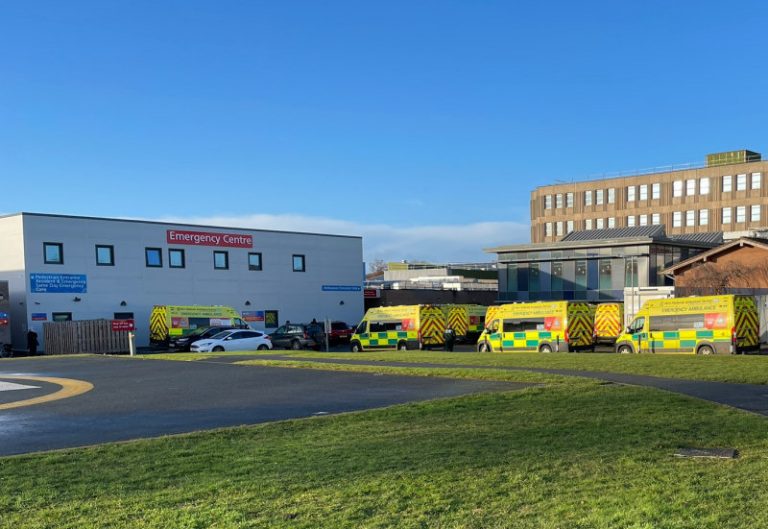
The NHS in Shropshire, Telford and Wrekin have declared a system critical incident after high levels of admissions and A&E attendances at the Princess Royal Hospital and Royal Shrewsbury Hospital.
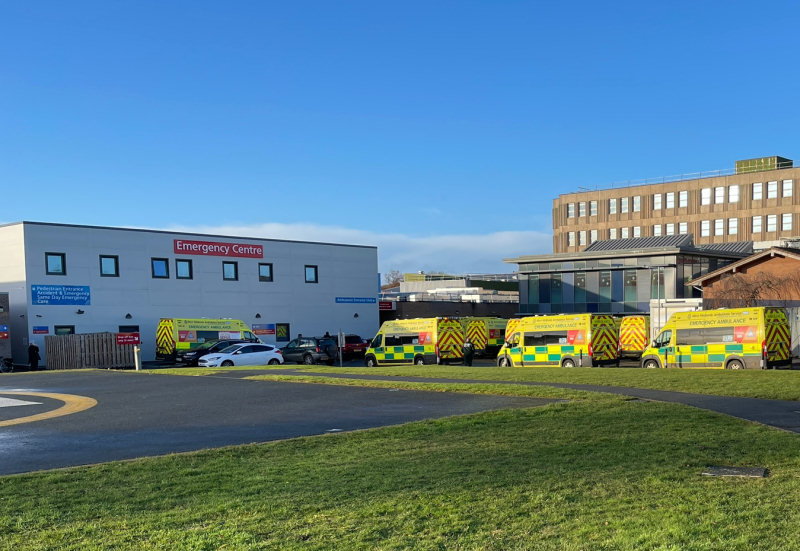
The NHS locally has been managing ongoing pressures since the start of January and yesterday reached a point where they took the decision to declare a system critical incident.
They are asking for people who need medical attention to choose the correct service for their needs, so those with the most urgent health needs can be treated. The public is requested to only call 999 or go to A&E in life threatening emergencies.
NHS Shropshire, Telford and Wrekin said that staff are dealing with high volumes of very sick patients from winter viruses such as flu, Covid, and norovirus. As a consequence, they are seeing a large rise in demand for services at the moment.
Hospitals are under extreme pressure
Dr Nick White, Medical Chief Officer for NHS Shropshire, Telford and Wrekin, said: “Our hospitals are under extreme pressure right now due to the high demand for urgent and emergency care services and ambulance handover delays. Regrettably, this means that patients are having to wait long times to be seen in our A&Es.
“We appreciate your patience during potential delays. Colleagues are working tirelessly to provide prompt and safe care for all and are working hard with all partners to improve patient movement through the hospital, increase capacity, and speed up discharges to free up beds. We apologise for any inconvenience and remain committed to prioritising patients with the highest needs.
“There are ways people can help their local NHS. Anyone who needs urgent care should use NHS 111 to be assessed and directed to the right care for them.
“We are asking anyone who feels they need urgent care to consider using their local Minor Injury Unit which have expert clinicians that can treat a range of conditions, and local pharmacies are open seven days a week to offer advice and over the counter medications.
“Please only use A&E if it is a serious or life-threatening emergency.”
Think which service
Here are some things to help health and care services:
• Only call 999 or attend A&E departments for genuine life-threatening emergencies.
• Visit NHS 111 Online or call NHS 111 if you or someone you’re with has a medical problem that isn’t life-threatening but requires immediate help, NHS 111 will get you assessed and directed to the right place.
• Local pharmacies are open seven days a week to offer advice and over the counter medications for minor ailments such as upset stomachs, earache, skin rashes and for relief of coughs and colds.
• If you need to see your GP, they will see you, but you could also be signposted to other clinicians or health professionals who can see you quicker and give you the help you need. That could be a nurse practitioner or a clinical pharmacist – these are skilled people who can help you to get well sooner.
• Consider using your local Minor Injury Unit in Bridgnorth, Ludlow, Oswestry and Whitchurch, which on average have much shorter waiting times. These can provide rapid treatment for urgent, non-life-threatening injuries such as cuts, burns or sprains.
• Support a loved one to get home from hospital as quickly as possible. Spending as little time in hospital as possible is better for patients. Collecting your loved one from hospital as early as possible will also help free up beds for patients who require admission.
• If you have a relative or loved one in hospital waiting to be discharged with homecare and community health support, you may help them get home quicker if you and your family can support them at home. If you feel that this is an option that you could consider, please speak to their ward manager or social worker to explore further.
• Get your covid and flu vaccinations, including the booster jab if you’re eligible. These are simple steps that will help you stay well and reduce the likelihood of you needing other health and care services.
• If you have norovirus (vomiting and diarrhoea) stop it spreading such as washing your hands regularly. If you or a family member have been sick with norovirus, you should avoid visiting hospitals and care homes, and not return to work or school, until 48 hours after your symptoms have stopped. Also avoid visiting elderly or vulnerable people, particularly if they are in hospital or a care home.
For help finding the right help fast, visit thinkwhichservice.co.uk.
Residents should attend appointments as booked and access care as appropriate. There is no need to call and check if an appointment is going ahead. If an appointment is cancelled, those people affected will be contacted directly.