The sites south east of Church Stretton was yesterday listed on a Forestry Commission map. The disease was discovered at a site of ash saplings, which have been destroyed and a nursery.
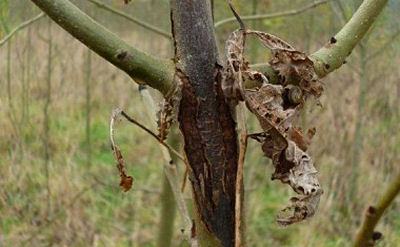
The disease has now been confirmed in trees in 14 nurseries, 36 planting sites and 32 locations in the wider environment (forests and woodlands).
Of the thousand sites initially surveyed, plant health experts are undertaking an urgent check of 220 prioritised sites which have had saplings from nurseries where Chalara was found to be present.
They are also prioritising the examination of around 2500 blocks of land, each 10 kilometres square, where mature ash trees are known to be present in order to seek out traces of the disease in our established trees.
Environment Secretary Owen Paterson said:
“We’re doing everything we can to identify where the disease is so that we can focus our efforts on those areas. Once we had the scientific advice that the disease in mature trees had probably arrived here by wind from Europe.
“We will have the results of the initial survey in time for a major summit on tree and plant health later this week. Scientists, charities, landowners and the horticultural industry will meet to agree the next steps for how we can work together to control this threat to our ash trees.
“Over the weekend hundreds of people, both plant health experts and volunteers, were working flat out to find traces of this disease. I particularly want to thank the work of volunteers from organisations such as the Woodland Trust, the National Trust, the Country Land and Business Association and our National Parks who have given so much of their time.”
A specialist team of staff has been set up, pulling staff from Defra, Fera, Forestry Commission, Natural England and the Environment Agency to be deployed in surveying forests for signs of Chalara in ash trees.
The ash tree is a native British species of tree, providing around five percent of all woodland cover. Chalara is a serious disease that has affected a high proportion of ash trees in northern Europe and which was confirmed as present in nursery stock in the UK in March.