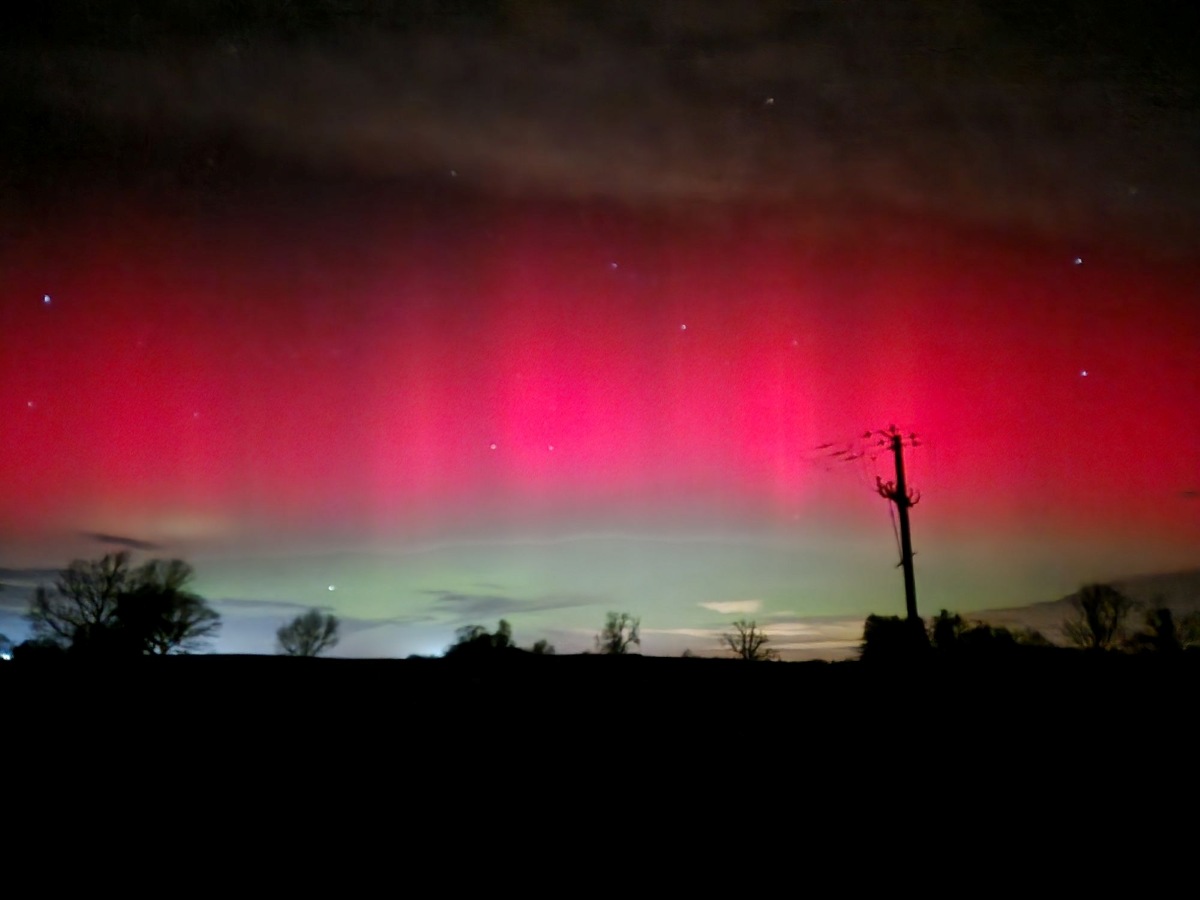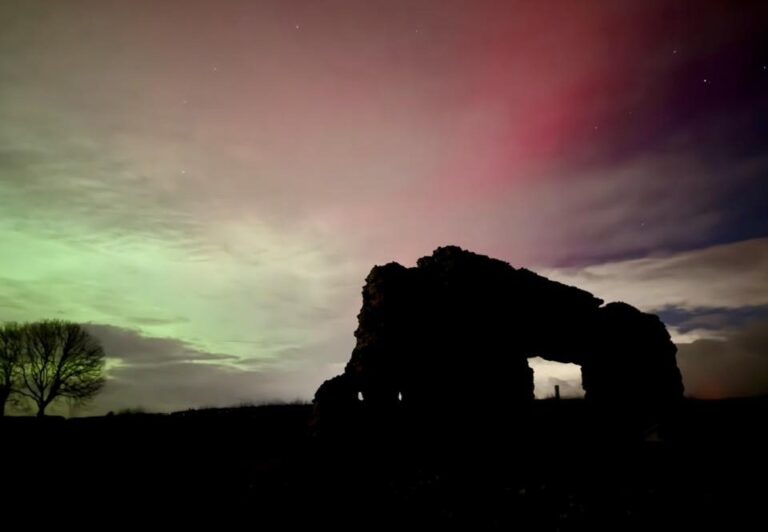
Stargazers across Shropshire and the wider UK were treated to a rare and vivid display of the Northern Lights last night, Monday 19 January, as a powerful solar storm sent shimmering ribbons of colour dancing through the winter sky.
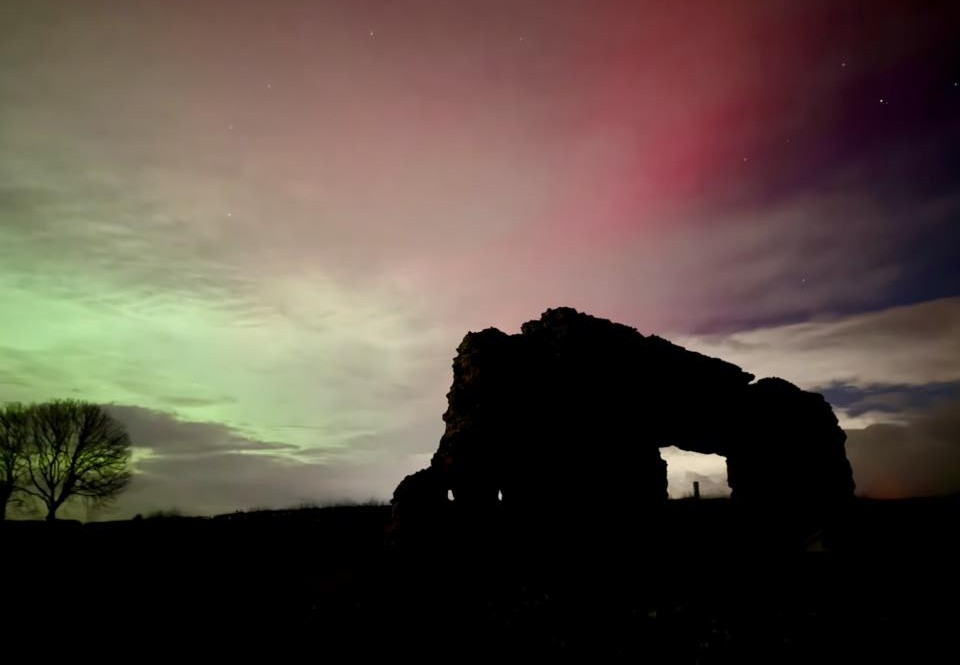
The phenomenon, known scientifically as the aurora borealis, was visible following a significant coronal mass ejection (CME) from the Sun. While typically reserved for the furthest reaches of the Arctic, this latest solar event was intense enough to push the auroral oval much further south than usual, with many reporting sightings of greens and deep crimson hues.
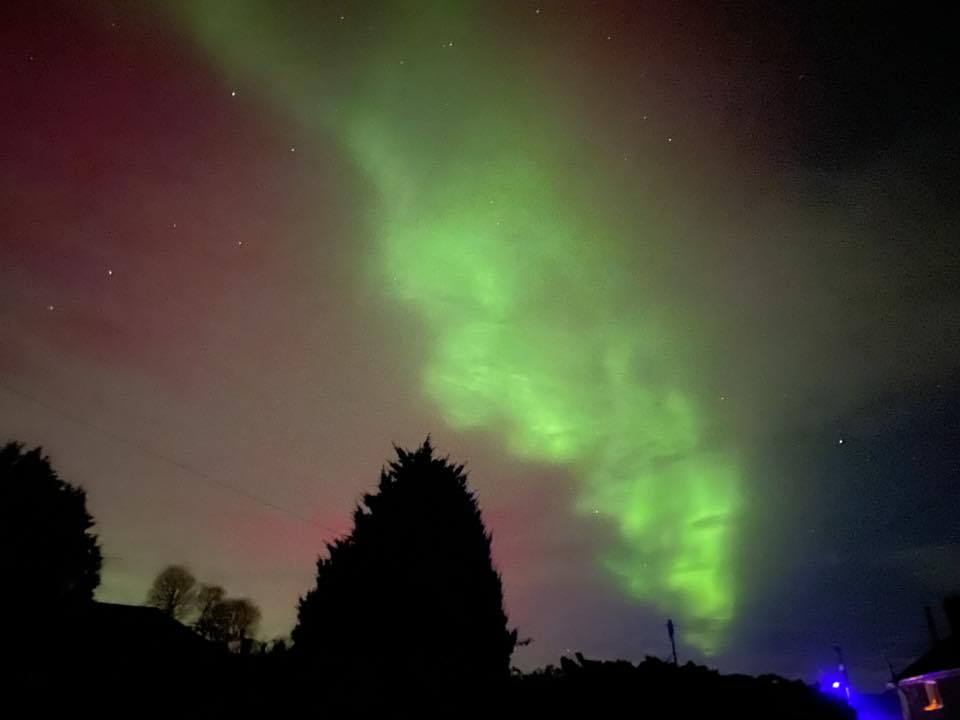
In Shropshire, local enthusiasts gathered at known dark-sky spots such as the Long Mynd and Clee Hill to catch a glimpse of the spectacle. Though the display often appeared as a subtle, milky glow to the naked eye, photographers in the county captured breathtaking images of vibrant emerald curtains and purple pillars stretching towards the stars. Many residents, even in towns, were able to witness the event from their own back gardens, provided they were sufficiently far from the glow of streetlights.
The Science Behind the Glow
The Northern Lights are the result of a complex interaction between our planet and the Sun. The process begins when the Sun’s surface erupts, launching a massive cloud of electrically charged particles—mostly electrons and protons—into space at speeds of up to 45 million miles per hour. When this solar wind reaches Earth, it is largely deflected by our planet’s magnetic field, which acts as a protective shield.
However, the magnetic field lines are weakest at the North and South Poles. This allows some of the charged particles to funnel down into the upper atmosphere. As these particles collide with gas molecules, they transfer energy that is then released as light. The specific colours we see depend on the type of gas involved and the altitude of the collision. Oxygen typically produces the most common green light at lower altitudes and rare red light higher up, while nitrogen is responsible for the blue and purple fringes often seen during more intense storms.
How to Catch the Next Display
For those who missed last night’s show, experts suggest that we are currently in a period of heightened solar activity, meaning more opportunities are likely on the horizon. To maximise your chances of a successful sighting, the most important factor is finding a location with a clear, unobstructed view of the northern horizon, away from the light pollution of towns and cities.
Timing is equally crucial, as the aurora is notoriously unpredictable. Sightings are most common between 10 pm and 2 am, but it is wise to keep an eye on real-time alerts from services like AuroraWatch UK. Even if the sky looks dark to your eyes, modern smartphone cameras are remarkably sensitive to auroral light; using a dedicated “Night Mode” or a long-exposure setting on a tripod can often reveal colours and structures that the human eye cannot detect on its own.