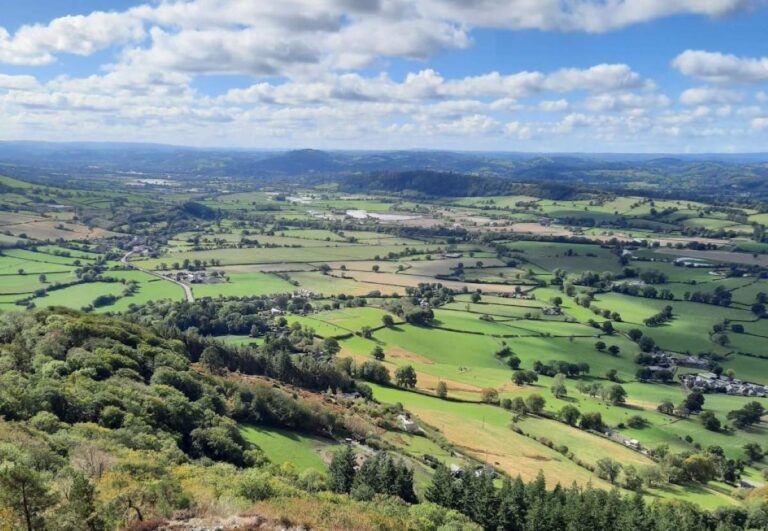
A major new initiative, the Marches Future Farming Project (MFFP), has been launched in the Upper Severn Valley to help farmers implement practical solutions for environmental challenges.
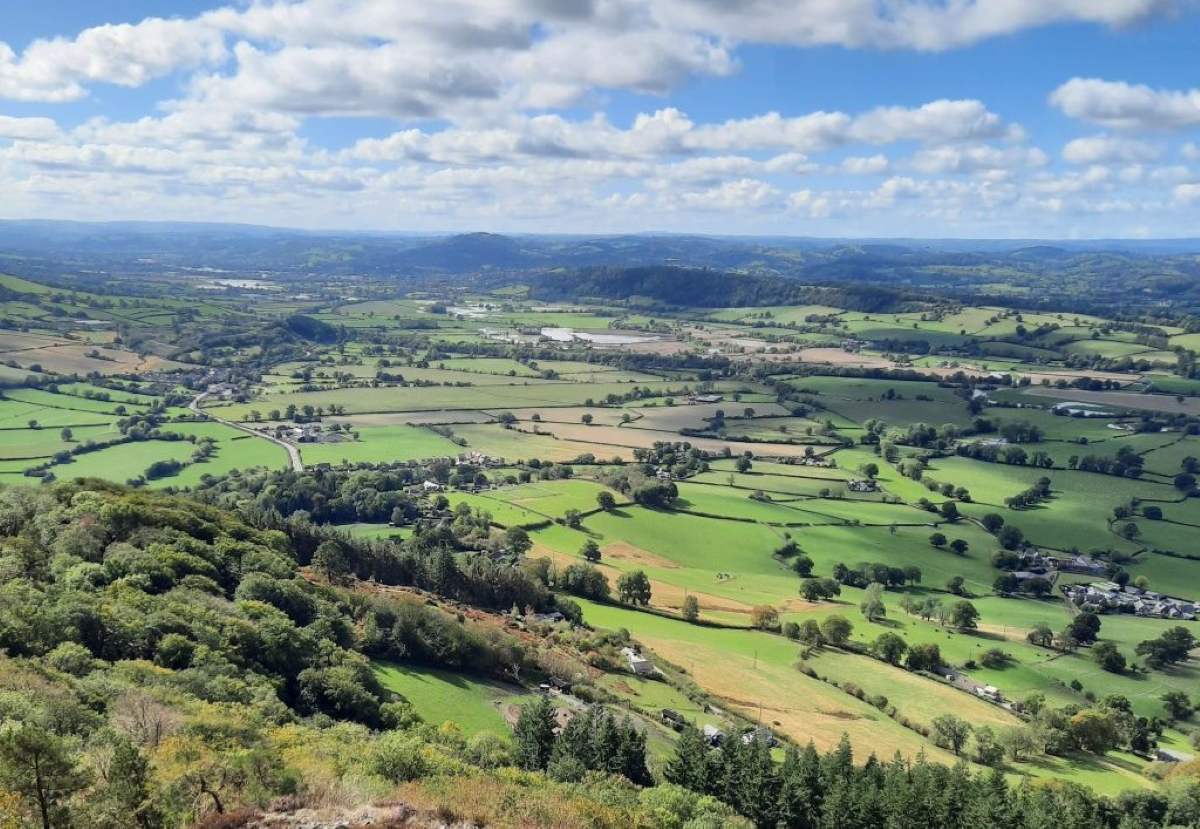
The project, officially starting this month, aims to tackle issues such as flooding, drought, and soil degradation through a hands-on, farmer-led approach that focuses on resilience and long-term sustainability.
Collaborative Approach and Project Goals
Managed by Shropshire Council, the MFFP is one of eight demonstrator projects feeding into the wider Severn Valley Water Management Scheme (SVWMS).
It is backed by a strong partnership led by the University of Chester, alongside Hannah Fraser Consulting, Faulkner and Mayne Sustainable Agriculture, the Maesmawr Farmers Group, and Aqualate Consulting.
Over the next two years, the project will work directly with farmers to understand their challenges and ambitions. It will allow them to trial various soil, water, and land management techniques, while gathering evidence on natural flood management and groundwater recharge.
The MFFP will also connect farming communities across England and Wales, exploring how new environmental markets and funding schemes can provide support for rural businesses.
Listening to Farmers
MFFP project manager, Julieanna Powell-Turner, highlighted the project’s unique approach, stating, “What sets MFFP apart is its commitment to listening to farmers.”
She noted that early engagement has already begun with clusters in North Shropshire and Powys, revealing a strong interest in practical, business-focused solutions. “Workshops, interviews, and on-farm trials will ensure that farmer voices shape the project’s direction,” she added.
The ultimate goal is to build trust, share knowledge, and create real opportunities for farmers to benefit from environmental schemes without compromising their livelihoods.
Tom Dainty, Shropshire Council’s deputy cabinet member for the environment, emphasised the broader community benefits of the initiative. “This isn’t just about farming,” he said. “It’s about protecting communities from flooding, improving water quality, and safeguarding biodiversity. It’s about making sure rural areas can thrive in the face of change.”
The SVWMS, a partnership between the Environment Agency, Natural Resources Wales, Powys County Council, and Shropshire Council, aims to tackle flooding and create resilient environments through sustainable water management. For those interested in the scheme, updates and news are available on the SVWMS website, which also welcomes feedback.